Invisalign® for Teens

10 Cedar Swamp Road, Suite 2, Glen Cove, NY 11542


Invisalign in Glen Cove uses a series of clear, removable aligners to gradually move teeth into better alignment without traditional braces. It can suit many teens and adults with mild to moderate crowding, spacing, or certain bite issues. Dental Concepts offers a complimentary consultation in Glen Cove, where a clinician reviews your smile and explains a personalized digital plan.
Invisalign® offers a modern alternative to traditional braces: a clinically proven system of clear, removable aligners that gently guide teeth into better alignment. Designed with advanced digital planning and precision manufacturing, these aligners allow many patients to pursue orthodontic goals with discretion and minimal disruption to daily life.

Invisalign® for Teens

Invisalign® for Brides

Invisalign® for Travelers
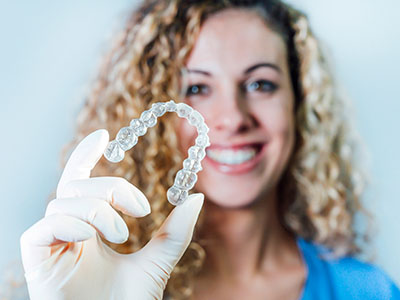
Before & After Photos
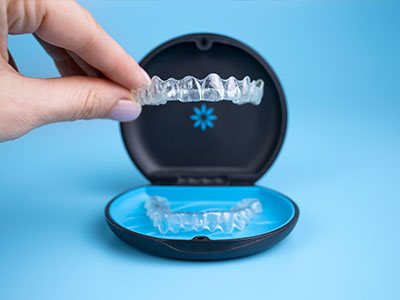
Invisalign® Videos
FAQs
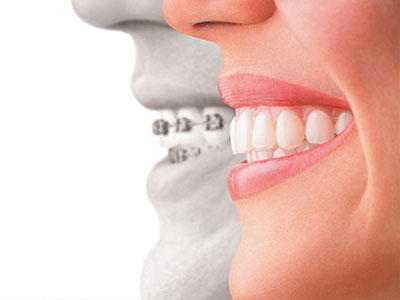
Invisalign® vs Braces
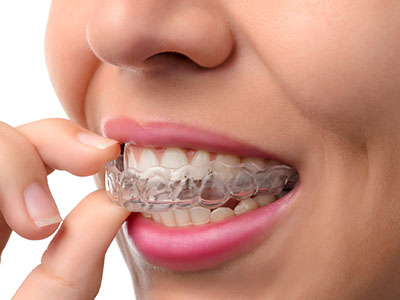
Invisalign® vs Direct-To-Consumer Aligners
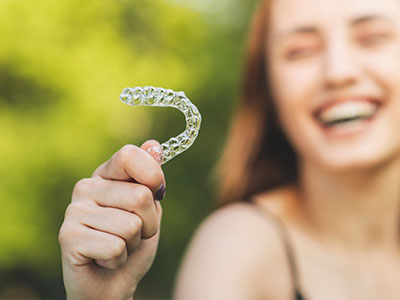
Is Invisalign® Right For Me?

Invisalign® Costs
Every successful Invisalign® treatment begins with a detailed digital assessment. Using 3-D scanning and imaging, clinicians capture the exact positions of your teeth and bite. These digital models let practitioners plan each stage of movement and visualize the intended outcome before any aligner is produced.
From that digital blueprint, a sequence of custom aligners is manufactured to fit your mouth precisely. Each aligner in the series is slightly different, applying controlled force to specific teeth so they move in a predictable progression. Treatment sequencing is set up to achieve gradual, purposeful changes rather than abrupt shifts.
Because the entire plan is mapped in advance, adjustments are easier to predict and integrate into the process. This level of planning supports more efficient appointments and helps ensure that each phase of treatment contributes to a balanced, stable result.
In practice, Invisalign® treatment is straightforward to follow. Patients typically wear each set of aligners for a prescribed period—commonly a couple of weeks—before switching to the next set in the series. Regular check-ins with your clinician monitor progress, confirm fit, and address any refinements needed along the way.
Because aligners are removable, they offer practical advantages for daily routines. You can eat without dietary restrictions and maintain normal brushing and flossing habits, which supports oral health throughout treatment. For most people, the transition to wearing aligners is quick and unobtrusive.
Patients may occasionally use small attachments or elastics that work with the aligners to facilitate certain tooth movements. Your clinician will explain any recommended additions and demonstrate how to use them properly so that you can follow your plan confidently and comfortably.
Clear aligner therapy suits a wide range of alignment concerns, including mild to moderate crowding, spacing, and certain bite issues. Clinicians evaluate each case based on the patient’s oral health, tooth movement needs, and treatment goals to determine whether aligners are an appropriate option.
Age is not the only factor—many teens and adults benefit from clear aligners. Treatment timing and approach may differ depending on dental development, but the underlying criteria focus on health, stability, and the feasibility of achieving the planned movements with removable trays.
During a consultation, your clinician will review your dental history, examine your teeth and gums, and discuss realistic outcomes. If Invisalign® is recommended, they will outline a tailored plan that aligns clinical priorities with your expectations for comfort, aesthetics, and long-term function.
Wearing aligners requires simple habits that support consistent results. Most patients are advised to wear aligners for the majority of the day—removing them only for eating, drinking anything other than water, and oral hygiene. This predictable routine helps keep treatment on schedule and minimizes delays.
Cleaning aligners and maintaining good oral hygiene are straightforward tasks that protect both your teeth and the aligners themselves. Gentle brushing of the trays and routine dental hygiene help prevent staining and maintain a fresh fit. Your clinician will provide specific care instructions to preserve aligner clarity and effectiveness.
Temporary changes in speech or minor soreness during the first few days with a new aligner are common and usually resolve quickly. Most people adapt rapidly and find that aligners fit smoothly into work, school, and social activities without drawing attention to their treatment.
At Dental Concepts, the focus is on creating a personalized pathway that reflects your goals and clinical needs. The typical process begins with a consultation where your clinician explains the treatment mechanics, timeline expectations, and steps involved in progressing through the aligner series.
Once a tailored plan is established, care includes periodic reviews to confirm that the movement is proceeding as expected. These visits allow your clinician to make any necessary refinements and to ensure that oral health is maintained throughout the course of treatment. Clear communication and regular monitoring help support predictable and lasting outcomes.
Choosing clear aligners is a collaborative decision between you and your dental team. When treatment is completed, many patients appreciate the combination of improved alignment, easier hygiene, and a discreet appearance—benefits that can contribute to both oral health and confidence.

During your initial visit, a clinician will assess your smile, discuss objectives, and explain how clear aligner therapy might address your concerns.
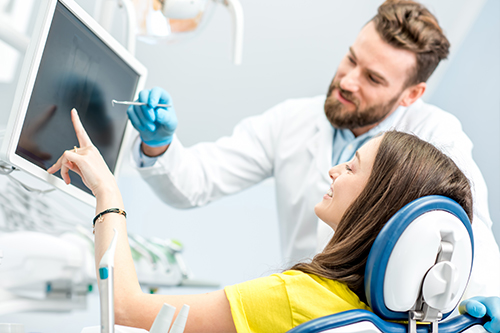
A precise digital scan forms the basis for a customized plan that maps the intended stages of tooth movement and anticipated outcomes.
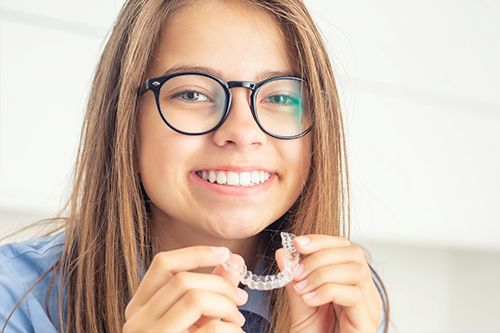
Each aligner is produced from your digital impressions and fine-tuned for comfort and accuracy to support steady progress.

Your clinical team will monitor changes and provide guidance at regular checkups so you feel supported from start to finish.
Explore short videos that illustrate treatment steps, aligner care, and typical clinical workflows associated with clear aligner therapy.
*Invisalign® is a registered trademark of Align Technology, Inc.
In summary, clear aligner therapy blends modern imaging, custom fabrication, and routine clinical oversight to offer a discreet, effective way to improve tooth alignment. If you’d like to learn more about how this approach might fit your goals, please contact us for more information.
There are many options for patients who want to avoid metal braces! The most popular alternative orthodontic treatment is Invisalign®, which are clear plastic aligners designed to straighten teeth. After an examination of your teeth, your dentist will determine which option is best suited to your wants and needs.
According to the Invisalign® website, the cost for treatment is approximately the same as the cost for metal braces. A portion of this cost may be covered by your insurance. Please call us to set up a consultation and discuss potential payment plan options.
The first step is to schedule a consultation with your doctor, so they can devise a treatment plan that is best suited to your individual dental needs. Once approved, you will receive your first set of aligners. Your doctor will then regularly monitor the movement of your teeth and new aligners will be ordered according to the progress made in your treatment plan.
Invisalign® aligners are made of clear, flexible plastic. The company received a patent for this material – SmartTrack® – to be used exclusively for Invisalign treatment purposes. These aligners are FDA approved and nearly invisible!
Your doctor will give you an estimate regarding how long your Invisalign® treatment should take, which will depend on your specific needs. The average length of time for treatment is approximately 12-18 months. However, some patients may see results far sooner. Remember to wear your aligners exactly as instructed by your doctor to obtain the best results.
Your doctor will most likely recommend that you wear retainers following your Invisalign® treatment. This is a precaution that will prevent your teeth from shifting back to their original positioning. It is important to follow your doctor's instructions exactly to ensure long-lasting results.
You must wear your aligners for up to 22 hours daily. You may remove them for eating, drinking and regular oral hygiene.
No. Unlike braces, you may eat whatever you like as long as you remove the aligners before eating. Prior to placing the aligners back on, it is important to brush your teeth and the aligners after you eat.
Like any orthodontic treatment, there is a short adjustment period. The more you speak with the aligners on, the quicker you will adjust.
There will be some pressure and minor discomfort for a day or two after each initial insertion. This is a sign that your teeth are moving sequentially into their final position.
It is recommended that you remove your aligners prior to chewing gum as the gum will stick to the aligners.
We discourage smoking with aligners as the cigarette smoke will tend to discolor them.
Brushing them with toothpaste will keep them fresh and clean.
Regular office visits are every five to six weeks. This will ensure that your Invisalign treatment is progressing as planned.
All orthodontic patients are instructed to wear their retainers at night indefinitely. Sleeping with your retainers in at night will ensure a healthy bite and maintain the new position of your teeth.
Yes, if their teeth, including second molars, have grown in completely.
Invisalign® uses a series of clear, removable aligners to move teeth gradually into improved positions. Each aligner is worn for a set interval and is slightly adjusted from the previous tray so that controlled forces guide specific teeth. The overall sequence is planned in advance using digital models to predict tooth movement and final alignment.
Because the system is removable, patients can maintain normal eating and oral hygiene routines while in treatment. Small composite attachments or elastics are sometimes used with the trays to enable particular movements or bite corrections. Regular clinical reviews ensure the plan is tracking as intended and allow for refinements when necessary.
Treatment begins with a comprehensive digital assessment that typically includes 3-D scanning and intraoral imaging to capture precise tooth and bite relationships. These digital models are used to map each stage of movement and to produce a visual preview of anticipated outcomes before aligners are fabricated. The planned sequence informs the production of a customized set of aligners made to fit the patient’s anatomy.
The digital workflow allows clinicians to evaluate and adjust the plan before manufacturing, which helps anticipate potential refinements. Laboratory-grade manufacturing produces consistent aligner thickness and fit, supporting predictable forces on targeted teeth. Ongoing monitoring during treatment confirms that the prescribed movements are occurring and supports timely adjustments when needed.
Clear aligner therapy is appropriate for many people with mild to moderate crowding, spacing, and certain bite concerns; clinicians assess each case individually to determine feasibility. Patients must have good overall oral health, including stable gums and no untreated decay, so that planned tooth movements are safe and predictable. Age alone is not a disqualifier—many teens and adults achieve excellent results with aligners when clinical conditions are favorable.
Complex orthodontic issues or certain skeletal discrepancies may be better managed with alternative approaches, and those situations are identified during the consultation. During an evaluation at the office of Dental Concepts your clinician will review dental history, examine tooth and jaw relationships, and discuss realistic expectations. If aligners are recommended, the team will explain how the proposed plan aligns with both functional goals and aesthetic priorities.
Initial visits focus on diagnostic imaging, treatment planning, and reviewing the digital treatment roadmap so you understand the expected sequence and timing. Follow-up appointments are typically shorter and scheduled at intervals to confirm fit, monitor progress, and make minor adjustments such as changing attachments or refining the plan. These visits also provide an opportunity to address questions about wearing schedules and aligner care.
Most check-ins are efficient because much of the treatment is guided by the preplanned sequence; however, clinicians remain ready to intervene if movements deviate from expectations. If auxiliaries like elastics are required, your clinician will demonstrate their use and check compliance at subsequent visits. Clear communication at each appointment helps keep treatment predictable and aligned with your goals.
Caring for aligners involves routine cleaning and consistent oral hygiene to protect both dental health and aligner clarity. Brushing and flossing after meals before reinserting aligners reduces the risk of staining and bacterial buildup, and gentle brushing of the trays with a soft brush helps remove debris. Your clinician will recommend specific cleaning products or practices to preserve fit and appearance.
Storing aligners in their case when not in use prevents loss or damage and minimizes exposure to contaminants. Avoid exposing trays to high heat or abrasive cleaners, which can distort the plastic or compromise fit. Maintaining good daily habits supports efficient movement and reduces the likelihood of treatment delays.
Some patients experience a brief change in speech, such as a mild lisp, when they first begin wearing a new set of aligners; this typically improves within a few days as the mouth adapts. Initial soreness or pressure after inserting a fresh tray is common and usually subsides after a short adjustment period. Over-the-counter pain relievers and softer foods during those first days can help manage temporary discomfort.
Aligners are designed to be thin and snug for comfort, and most patients find them less intrusive than traditional brackets and wires. If persistent pain or significant fit issues occur, a clinical review can identify the cause and allow for corrective steps. Prompt communication with your dental team ensures any concerns are addressed quickly to maintain comfort and progress.
Invisalign® can address a range of tooth movements and many mild to moderate bite issues, but the suitability for complex corrections depends on the individual case. Certain movements, such as large vertical changes or severe skeletal discrepancies, may require additional orthodontic techniques or combined treatments to achieve the desired result. Clinicians evaluate the scope of required movements during planning and may incorporate attachments, interproximal reduction, or elastics to expand what can be accomplished with aligners.
When aligners alone are unlikely to meet treatment goals, your clinician will explain alternative options and the rationale for a different approach. The goal is to select a treatment that delivers a stable, functional, and esthetic outcome rather than to force a solution that may compromise the result. Transparent planning helps set realistic expectations and guides patients toward the most appropriate care path.
Treatment duration varies widely based on the complexity of the case and the specific movements required, with many courses of care completed in several months while more comprehensive plans can take a year or longer. Factors that influence the timeline include the number of teeth being moved, the magnitude of each movement, patient compliance with wear time, and whether auxiliary procedures are needed. The digital treatment plan provides an estimated sequence, but real-world progress is confirmed through periodic clinical reviews.
Consistent wearing of aligners and following clinician instructions are among the most important factors in keeping treatment on schedule. Unforeseen biological responses or interruptions in wear can extend the timeline and may require refinements to the plan. Regular communication with your dental team ensures any delays are addressed promptly and the pathway to the finished result remains clear.
Patient adherence to the prescribed wear schedule is essential to achieving the planned tooth movements because aligners rely on consistent force application over time. Removing trays more frequently than advised or neglecting to switch to the next set on schedule can slow progress and may compromise the final outcome. Routine cleaning, proper storage, and following guidelines for eating and drinking help preserve aligner fit and effectiveness.
Clinicians monitor compliance during checkups and provide strategies to support consistent wear, such as habit-building tips and troubleshooting common challenges. After active treatment, retention is important to maintain results; your clinician will recommend a retention plan tailored to your needs. Engagement with the treatment process is a key component of predictable, lasting improvements.
To start, schedule a consultation to review your concerns, undergo a dental exam, and receive any necessary imaging or scans that form the foundation of a treatment plan. The clinical team will discuss the digital treatment roadmap, outline expected steps and timelines, and explain any adjunctive procedures that might be recommended. This visit is an opportunity to ask questions about daily care, appointment frequency, and how the plan aligns with your functional and aesthetic goals.
If you decide to proceed, the practice will capture precise digital impressions and finalize the individualized plan before aligner fabrication begins. Routine follow-up visits at the Glen Cove office and clear communication with your clinician support steady progress through each phase. Invisalign® is a registered trademark of Align Technology, Inc.

10 Cedar Swamp Road, Suite 2
Glen Cove, NY 11542
Mon, Tues: 10am - 8pm
Wed: 9am - 8pm
Thurs: 10am - 8pm
Fri: 10am - 8pm
Sat: 10am - 8pm
Sun: By Appointment Only
*Patients can be accommodated outside normal office hours.*