10 Cedar Swamp Road, Suite 2, Glen Cove, NY 11542


Pediatric dentistry is dental care for children from their first teeth through the teen years, focused on prevention, early detection, and building healthy habits. Dental Concepts offers kids dentistry in Glen Cove, with checkups, cleanings, and guidance for parents on home care, nutrition, and growth milestones.
At Dental Concepts, preserving the health and confidence of your child’s smile is our primary focus. Pediatric dentistry is about more than cleaning teeth — it’s about guiding families through each stage of oral development so children grow up with strong, comfortable, and confident mouths. Our approach combines modern techniques, calm communication, and practical prevention to support lifelong oral health.

The earliest dental encounters set the tone for how children experience oral care for years to come. We encourage parents to introduce gentle, positive dental routines early so brushing, flossing, and regular visits become normal parts of life. When care begins before problems arise, we can focus more on prevention and education rather than repair.
During initial visits we prioritize comfort and familiarity. Young patients meet the team, see friendly tools, and learn simple, age-appropriate steps for clean teeth and healthy gums. Our clinicians explain procedures in child-centered language, allowing kids to feel involved and reducing anxiety for both children and parents.
Parents are partners in this process. We offer clear guidance on daily oral hygiene, bottle and pacifier habits, and safe teething strategies. With straightforward recommendations and practical demonstrations, families leave with a roadmap that makes good dental care achievable at home.
Routine visits are an opportunity to look beyond the smile and evaluate the full context of a child’s oral health. Each appointment includes a review of medical history, an examination of the teeth and gums, and an assessment of bite and jaw function. Early detection of concerns—like cavities or alignment trends—lets us intervene in simple, effective ways.
We use modern digital radiography selectively, when it will meaningfully inform diagnosis or treatment planning. These images are useful for seeing tooth development, checking for hidden decay, or monitoring how permanent teeth are forming beneath the surface. We explain findings in clear language so parents can make informed choices.
Cleanings and preventive measures are a routine part of visits. Professional polishing removes plaque and tartar buildup, while fluoride and other preventive tools can be recommended when appropriate to strengthen enamel and reduce future decay risk.
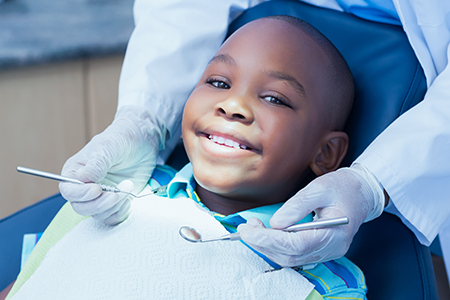
Tooth decay remains one of the most common health issues in childhood, but it is largely preventable. We focus on identifying early signs of demineralization or cavities and addressing them in ways that preserve tooth structure and avoid anxiety. Small, conservative treatments can prevent the need for more extensive care later on.
In addition to direct treatment, our team emphasizes behavior and dietary changes that reduce risk. Simple adjustments — such as limiting sugary drinks, encouraging water between meals, and choosing snacks that are tooth-friendly — can dramatically lower a child’s chance of developing cavities.
Consistent, age-appropriate home care is the foundation of healthy smiles. We coach parents on brushing techniques, flossing progression, and safe ways to wean from bottles or pacifiers. Turning oral hygiene into a predictable, even enjoyable routine helps children take ownership of their health as they grow.
Begin dental visits early to build trust and monitor growth.
Keep baby and toddler teeth clean with gentle brushing after feedings.
Avoid letting infants sleep with bottles containing milk or juice.
Maintain regular dental checkups and professional cleanings.
Lead by example — children mimic good oral hygiene habits.
Choose water over sugary drinks and offer nutritious snacks.
Help children stop pacifier or thumb-sucking at an age-appropriate time.
Make sure a properly fitted mouthguard is used for contact or high-risk sports.

A child’s dental needs change rapidly between infancy and elementary school. Baby teeth begin to appear within the first year, and by age three most children have a full primary dentition. These early teeth are critical for chewing, speech development, and serving as placeholders for permanent teeth.
We follow guidelines from leading pediatric organizations and typically recommend an initial dental visit around the time of the first birthday. Early visits allow us to screen for developmental concerns, advise on feeding and teething, and demonstrate gentle care techniques that parents can use at home.
Teething discomfort, while common, can usually be managed with safe, parent-friendly strategies we review in the office. Throughout toddlerhood and preschool years, our team monitors growth and offers anticipatory guidance so families know what to expect next.
The transition to adolescence brings new considerations: the arrival of permanent teeth, shifting bite patterns, and increased involvement in sports and social activities. Regular monitoring helps identify when orthodontic assessment may be beneficial so treatment — if needed — can start at an optimal time for best results.
Preventive measures remain important in the teen years. Sealants, fluoride applications, and tailored oral hygiene coaching protect newly erupted permanent molars and reduce the chance of future dental problems. We also provide guidance on maintaining appliances and caring for teeth during orthodontic treatment.
Dental emergencies are more likely with active play and sports. We prepare families with clear steps to take after a dental injury and can advise on when urgent in-office care is required to preserve a tooth or protect oral health.
Regular evaluations of facial growth and jaw development let us spot early signs that might benefit from orthodontic attention. If tooth crowding, bite irregularities, or growth asymmetries are developing, we discuss timing and options so parents can plan ahead with confidence.
Nutrition matters for teeth just as it does for overall development. Diets rich in calcium, vitamin D, and whole foods support enamel strength and healthy gums. We provide practical suggestions to replace sugary snacks and drinks with choices that satisfy children while reducing the risk of decay.
In short, pediatric dentistry is a partnership between clinicians and families. At Dental Concepts, we combine clinical expertise with a child-first approach to help young patients build healthy habits, avoid preventable problems, and feel confident about dental care. If you have questions or want to learn more about how we support children's oral health at every age, please contact us for more information.
A pedodontist is a dentist who has received advanced specialty training in meeting the dental needs of children from infancy to adolescence. Pedodontists, also referred to as "pediatric dentists," study child psychology, behavior management, caring for children with special needs, methods of handling oral/facial trauma, and various techniques for providing anesthesia and sedation. Pedodontists also understand the complexities of facial growth and development and have the clinical skills required to meet the dental needs of all children at every stage of development. Most of all, pedodontists are passionate about what they do and enjoy working with children. They strive to make every dental experience a positive one as they help children establish a strong foundation for good oral health.
Even before your child is born, their first set of teeth is already forming. In fact, by one year of age, some of your baby's front teeth will have already come into place. While the arrival of your baby's first teeth is only one of many developmental milestones, it represents an excellent time to begin a program of oral care. According to recommendations from the American Dental Association, babies should see the dentist around the time of their first birthdays.
Your baby's first teeth typically begin to appear in the 6 to 12-month range. While this is an extraordinary milestone, you need to be aware that your baby may find the experience a little bit uncomfortable. Teething can make babies feel irritable. They may be fussy, have trouble sleeping, not want to eat, and drool quite a bit.
Although you are powerless to speed up the process of teething, there are a few things that you can do to soothe your baby as the new teeth are erupting into place. Common approaches to helping your baby feel more comfortable while getting new teeth, include teething rings or a cold spoon or moist gauze rubbed over their gums.
Even for these few new teeth, it's absolutely essential to establish an effective regimen of oral care. For information on when your baby's first set of teeth will erupt into place, consult this timeline from the American Dental Association: Eruption Charts
Some children persist in sucking their thumbs or fingers beyond their preschool years. For these children, the activity continues to be a source of comfort, relaxation, and security. It may even help them fall asleep at night. However, it's essential to be aware that in the long-term, a finger sucking habit is not healthy.
If your child's thumb or finger sucking habit is still present when the permanent teeth begin to come in, your child is at a higher risk of developing a bad bite. By the age of five or six years, you need to constructively and gently help your child stop the habit.
It's also a good idea to have a comprehensive evaluation at this time. Your pedodontist can assess if there are any habit related alterations to the alignment of your child's teeth or jaws, or if it is affecting their speech or swallowing patterns. They can also discuss habit control strategies with you, as well as follow your child's bite and facial development as they grow. If interceptive appliances or corrective orthodontic care are recommended, the timetable and best options in care will be explained in complete detail.
We typically recommend that a child’s first dental visit take place around the time their first tooth appears or by their first birthday. Early visits allow the dental team to screen for developmental concerns, demonstrate gentle home-care techniques, and help children and parents build familiarity with the office environment. Starting care early shifts the focus toward prevention and education, which can reduce the need for more extensive treatment later on.
The initial appointment is usually brief and relaxed, emphasizing comfort and trust. The clinician will review health history, examine the mouth, and offer guidance on feeding, teething and daily cleaning. Parents leave with practical steps to protect the child’s teeth and a plan for follow-up care based on individual needs.
A pediatric checkup begins with a review of medical and dental history followed by a gentle exam of the teeth, gums and bite. The clinician assesses tooth development, looks for early signs of decay or enamel changes, and evaluates jaw growth and oral habits that could affect development. Communication is tailored to the child’s age so they understand the visit and remain comfortable throughout.
Professional cleaning and polishing remove plaque and tartar while preventive options such as fluoride or sealants may be discussed when appropriate. Digital radiography is used selectively to aid diagnosis and monitor tooth development beneath the surface. The visit concludes with clear recommendations for home care, dietary habits, and the timing of the next appointment.
Preventing cavities is best achieved through consistent home care, smart feeding practices and regular dental visits. Parents should brush twice daily with an age-appropriate toothpaste, begin flossing when teeth touch, and avoid prolonged exposure to sugary drinks or bedtime bottles. Choosing water between meals and offering tooth-friendly snacks also reduces decay risk.
Professional preventive measures complement home habits and may include topical fluoride and dental sealants for newly erupted molars. The dental team provides practical guidance on brushing techniques, flossing progression and behavior strategies to make daily care manageable. Together, these steps dramatically lower a child’s chance of developing decay.
Teething discomfort is common and can be managed with simple, safe strategies that soothe the child without risk. Offering a chilled (not frozen) teething ring, gentle gum massage with a clean finger, and comforting routines can reduce irritation. Over-the-counter pain relievers may be appropriate in some cases, but parents should follow dosing guidance and consult with the dental or medical team first.
Parents should avoid home remedies that carry risk, such as topical medications or sugared solutions that can harm enamel. The dental team can demonstrate calming techniques and advise when symptoms warrant further evaluation. Persistent pain, fever or unusual swelling should prompt a prompt professional assessment.
Pacifier and thumb-sucking are normal soothing behaviors in infants and young toddlers, but prolonged habits can affect dental development if they continue beyond the preschool years. By ages 3 to 4, the dental team begins monitoring the habit’s impact on bite and tooth alignment, and by school age many clinicians recommend steps to wean the child. Early, gentle guidance helps prevent changes to jaw growth and tooth position.
Parents can use positive reinforcement, predictable transitions and distraction techniques to reduce dependence on these habits. If the behavior persists or if bite changes are evident, the dentist may discuss habit-breaking appliances or referrals to specialists. Addressing the habit sooner rather than later makes corrective treatment simpler and more effective.
Treatment for early decay focuses on preserving tooth structure while relieving symptoms and preventing progression. Options range from minimally invasive interventions—such as fluoride varnish or sealants—to conservative restorations when necessary, and the clinician will choose an approach that minimizes anxiety and maintains function. Behavior and dietary counseling accompany clinical care to reduce future risk.
When decay is spotted very early, noninvasive strategies can sometimes arrest or reverse the process through improved hygiene and topical fluoride. For more advanced lesions, tooth-colored restorations are commonly used to restore form and function. The team explains each option in clear terms so parents can make informed decisions about their child’s care.
Orthodontic concerns are best identified through routine monitoring of tooth eruption and jaw growth rather than waiting until a cosmetic issue appears. Signs that merit early evaluation include persistent thumb-sucking, difficulty chewing, asymmetrical jaw growth, severe crowding or early loss of primary teeth. Early assessments allow the dental team to determine whether interceptive measures would improve outcomes.
If an orthodontic issue is suspected, the dentist will discuss timing and possible referral to a specialist for further evaluation. Some conditions benefit from early intervention to guide jaw growth and create space for permanent teeth, while others are best treated once most permanent teeth have erupted. Regular checkups make it easier to plan the right course of action.
Dental injuries are common with active play, and quick, calm action can make a big difference in outcomes. For a knocked-out permanent tooth, time is critical: rinse the tooth briefly with water without scrubbing, keep it moist (ideally in milk or the child’s saliva) and seek urgent dental care to attempt reimplantation. For fractured or displaced teeth, protect the child, manage bleeding with gentle pressure, and arrange prompt evaluation.
Prevention is equally important; custom-fitted mouthguards are recommended for contact or high-risk sports to reduce the chance of injury. The dental team can advise on proper mouthguard selection and fit, and will review emergency steps with parents so they feel prepared. Immediate professional attention gives the best chance to preserve a tooth and minimize long-term problems.
Most children benefit from dental visits every six months, but the ideal recall interval is personalized based on each child’s risk of decay, development and oral health needs. Children with a higher risk of cavities or ongoing developmental concerns may be scheduled more frequently to allow for targeted preventive care and close monitoring. The dentist will recommend a schedule that balances prevention with the child’s comfort and lifestyle.
Routine visits provide opportunities for cleanings, professional fluoride applications, and updates to home-care strategies as children grow. They also let the dental team track eruption patterns and intervene early if problems arise. Following the recommended schedule helps maintain healthy teeth and reduces the need for more involved treatment later on.
A child-first approach reduces anxiety and builds positive associations with dental care through clear communication, gentle techniques and a predictable visit structure. The team uses age-appropriate language to explain procedures, offers hands-on demonstrations of instruments, and encourages participation so children feel involved rather than intimidated. Familiarization visits and gradual introductions to care help young patients acclimate at their own pace.
Parents are treated as partners and receive coaching on how to support their child before, during and after appointments. The practice environment and staff behavior are designed to be calm and reassuring, and specific behavior guidance strategies are used when needed to keep visits comfortable. These measures help children develop confidence and lifelong healthy habits, and the team at Dental Concepts is available to discuss tailored approaches for each family.

10 Cedar Swamp Road, Suite 2
Glen Cove, NY 11542
Mon, Tues: 10am - 8pm
Wed: 9am - 8pm
Thurs: 10am - 8pm
Fri: 10am - 8pm
Sat: 10am - 8pm
Sun: By Appointment Only
*Patients can be accommodated outside normal office hours.*