10 Cedar Swamp Road, Suite 2, Glen Cove, NY 11542
10 Cedar Swamp Road
Suite 2
Glen Cove, NY 11542
A woman wearing glasses is sitting in a dentist s chair, receiving dental care from a professional who appears to be a female dentist.

Emergency Treatment

Emergency dental treatment is prompt care for a sudden toothache, a broken or knocked-out tooth, an infection, or a mouth injury, with the goals of relieving pain and saving as much of the natural tooth as possible. Dental Concepts in Glen Cove treats adults and children, with evening hours until 8:00 pm Monday through Saturday and Sundays by appointment only.

Emergency Dental Treatment in Glen Cove, NY

Emergency dental treatment is prompt care for a sudden toothache, a broken or knocked-out tooth, an infection, or an injury to the mouth. Its first goals are to relieve pain, stop bleeding or infection, and protect as much of your natural tooth as possible. At Dental Concepts in Glen Cove, we provide emergency dental care for adults and children when a problem can't wait for a routine visit.

Dental emergencies are stressful and can get worse quickly. Treating pain and stabilizing the area early protects your comfort now and your oral health later. We focus on fast assessment and compassionate care to ease discomfort and lower the risk of further damage.

Every urgent situation is different, but the priorities stay the same: control pain, stop active bleeding or infection, and preserve natural tooth structure. We pair a careful clinical exam with up-to-date diagnostic tools to build a clear treatment plan as soon as you arrive. Knowing what to expect usually makes patients less anxious, and the sooner you seek care, the better the chance of saving a tooth and avoiding more extensive treatment.

How to Recognize an Urgent Dental Problem

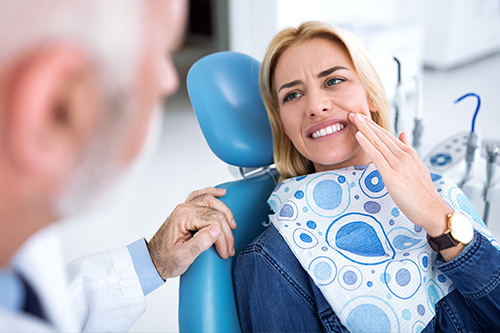
You need emergency dental care if you have severe or persistent pain, bleeding that won't stop, swelling that affects breathing or swallowing, or a tooth that has been knocked out or broken. Less obvious signs also deserve a prompt visit: an ache that is getting worse fast, fever along with mouth pain, or a loose crown that leaves the tooth underneath exposed. If you are unsure, it is better to be seen than to wait.

Common reasons patients come in include intense toothaches, chipped or fractured teeth, abscesses (pockets of infection), lost or damaged restorations, and painful wisdom teeth. Soft-tissue problems such as swollen or bleeding gums, painful sores, or spreading redness can be serious too. Early treatment can prevent complications that affect your overall health.

Here are examples of the problems we manage routinely. The list is not complete, but each is a situation where quick attention helps protect function and comfort:

  • Severe tooth pain or throbbing that interferes with sleep or eating
  • Chipped, cracked, or fractured teeth
  • Dental abscesses or oral infections with swelling
  • Loose, missing, or damaged fillings and crowns
  • Broken, ill-fitting, or lost dentures
  • Impacted or painful wisdom teeth
  • Loose or avulsed (knocked-out) teeth
  • Bleeding or swollen gums and other soft-tissue injuries
  • Unexplained lumps, bumps, or oral lesions that are painful or changing

Swelling that spreads to your eye, neck, or throat, or makes it hard to breathe or swallow, needs a hospital emergency room right away. Once that is under control, we can treat the dental source of the problem.

What to Do Before You Reach Our Office

A few simple steps at home can ease pain and improve the chances of saving a tooth:

  • Toothache: Rinse with warm water, floss gently to remove trapped food, and use a cold compress on the outside of your cheek. Do not put aspirin directly on the gum, since it can burn the tissue.
  • Knocked-out adult tooth: Pick it up by the crown, not the root. Rinse briefly if dirty, and try to place it back in the socket. If that isn't possible, keep it in milk or inside your cheek and get to a dentist as soon as you can. Teeth replanted within about an hour have the best outlook.
  • Broken tooth: Save any pieces, rinse your mouth, and apply a cold compress to limit swelling.
  • Lost filling or crown: Keep the crown and avoid chewing on that side until we can see you.
  • Bleeding: Press a clean gauze pad firmly on the area for 10 to 15 minutes.

Emergency Dental Care for Kids

Children often need emergency care after falls, sports injuries, or a sudden toothache, and we treat young patients with patience and a calm approach. A knocked-out baby tooth is usually not put back in, because doing so can harm the permanent tooth developing underneath, but your child should still be checked promptly. Chipped teeth, toothaches, and injuries to the lips or gums all deserve an exam. You can learn more about our pediatric dentistry, and a properly fitted sports mouthguard is one of the best ways to prevent these injuries.

What Happens During an Emergency Visit

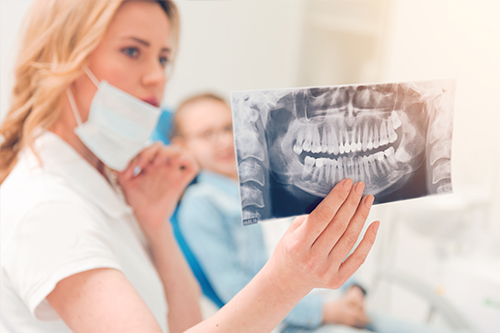
An emergency appointment starts with a brief medical and dental history and a focused exam. We look for the source of pain, check for signs of infection or nerve involvement, and assess any damage to the teeth or supporting tissues. When needed, digital X-rays or other imaging help confirm the diagnosis and guide treatment.

Pain relief comes first. Depending on your health history and the situation, we may use local anesthesia, gentle stabilization, and short-term medication to ease acute symptoms. The goal is to make you comfortable enough to move ahead with treatment or plan next steps with confidence.

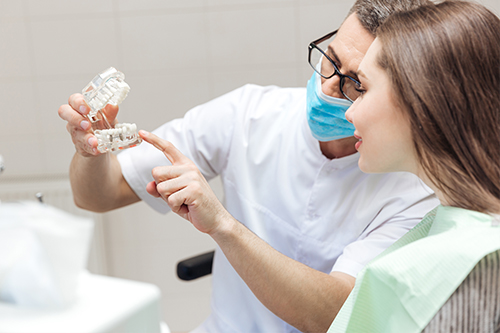
Once we know the problem, we explain your options and how they balance urgency with long-term care. Many issues can be repaired in one visit. Others are safest in stages: treating infection or pain first, then finishing restorative work later. We explain each choice clearly so you can make an informed decision.

Common Emergency Treatments and Their Benefits

Emergency treatment is matched to your condition. Minor chips and small cavities are often fixed with bonding or new dental fillings to restore shape and reduce sensitivity. Larger damage may need a crown to rebuild strength and protect the inside of the tooth. These repairs aim to keep your natural tooth whenever possible.

When the nerve is involved, often signaled by severe, lingering, or radiating pain, root canal therapy removes the infected tissue, relieves pain, and keeps the tooth. Root canal treatment has a high success rate and may take one or more visits depending on the case.

If a tooth is too damaged to save, a tooth extraction may be needed to stop ongoing infection and pain. Afterward, dental implants, fixed bridges, and dentures can restore chewing and appearance. Each suits different needs based on your oral health, anatomy, and preferences, and we plan with function, appearance, and long-term stability in mind.

Aftercare, Recovery, and Preventing Future Emergencies

Recovery depends on the treatment. Simple repairs usually need little downtime, while extractions or infection treatment may call for a few days of soft foods and careful home care. We give you clear aftercare instructions, including pain management, warning signs to watch for, and when to return for follow-up.

Prevention lowers the chance of another urgent visit. Regular oral exams and cleanings through our preventative program catch problems early, a custom mouthguard protects teeth during sports, and fixing small chips or cracks quickly keeps them from becoming bigger problems. Good daily brushing and flossing remain the foundation of lasting dental health.

For more complex cases, we coordinate with specialists such as oral surgeons or endodontists so you get the right expertise. Continuity of care and careful follow-up are key to a smooth recovery.

Cost and Insurance for Emergency Dental Care

The cost of emergency treatment depends on what you need, such as an exam and X-rays, a filling, a root canal, or an extraction, and whether follow-up work is required. Many dental plans cover part of emergency exams and treatment, but coverage varies. Our team can review your options with you, and you can check our current specials.

Why Choose Dental Concepts for Emergency Treatment

Our Glen Cove office at 10 Cedar Swamp Road is open Monday through Saturday with evening hours until 8:00 pm, and Sundays by appointment only. That makes it easier to be seen when a problem flares up after work or school. We focus on clear communication, evidence-based treatment, and careful follow-up, and we treat the whole family under one roof, from children to adults needing smile makeovers or teeth whitening once the emergency is behind them.

Emergency Dental FAQs

Should I go to the ER or a dentist for a toothache?
For most toothaches, a dentist is the right choice because we can treat the cause, not just the pain. Go to the ER if you have swelling that affects breathing or swallowing, a high fever, or a serious facial injury.

Can a dentist pull a tooth the same day?
Often, yes, if the tooth cannot be saved and it is safe to proceed. If there is active infection, we may treat it first and remove the tooth at a follow-up visit.

What if my child knocks out a tooth?
Call us right away. Permanent teeth should be replanted or stored in milk and brought in quickly, while baby teeth are usually not replaced, but your child still needs an exam.

Will emergency treatment hurt?
We use local anesthesia and other pain-control options so most patients feel pressure rather than pain. Many people feel noticeable relief once the source of the problem is treated.

Get Emergency Dental Care in Glen Cove Today

Dental emergencies need timely, knowledgeable, and compassionate care. The team at Dental Concepts is experienced with a wide range of urgent dental problems. If you have a toothache, a broken tooth, or any other urgent concern, call us at (516) 750-8585, contact us, or request an appointment.

Frequently Asked Questions

What is a dental emergency?

+
Dental Concepts

Toothaches

Pain is your body's way of signaling that something is not quite right and though there are many reasons for oral pain, one of the most common complaints and reasons for seeking urgent dental care is a toothache. Whether you simply need a dental filling, a crown, or require a root canal procedure to save your tooth, we'll alleviate your discomfort and restore the look and function of the involved tooth.

Dental Concepts

Dental Trauma

Dental trauma can result in a defect as minor as a small chip in tooth enamel to a more extensive and painful crack or fracture. With sufficient force, a tooth can even be displaced or completely knocked out of its socket. With prompt emergency care, many injured teeth can be restored and saved.

Dental Concepts

Wisdom Teeth

The last teeth in your mouth to develop, wisdom teeth often do not have enough room to fully erupt or may be positioned in the wrong direction. These issues can affect your dental health as well as overall well-being. Our office provides skilled care to address the complications caused by problematic wisdom teeth.

Dental Concepts

Broken or Lost Dental Appliances

A broken or lost dental prosthesis or restoration can cause embarrassing gaps in your smile as well as compromise your ability to eat and speak with ease. If you've lost or broken a dental filling, denture, crown, or other dental appliance, you can rely on our office to perform a prompt repair or provide a durable and cosmetically pleasing replacement as quickly as possible.

At the office of Dental Concepts, emergency appointments are always available. Of course, in addition to providing top treatment for dental emergencies, we also welcome patients searching for high quality and affordable care. We offer a complete range of the latest and best cosmetic and dental services for every member of your family.

How long do I have to wait for an emergency dental appointment?

+

If you are suffering from a toothache or have sustained a dental injury, it is important to visit the dentist as soon as possible before more serious complications arise. Whether your dental emergency is painful, if it affects the appearance of your smile, or if you suspect that an infection is present, our office will make every effort to see you as promptly as possible for care.

At the office of Dental Concepts, we treat your dental emergency as our top priority. Our caring team will respond to your emergency call right away, making sure you get the gentle, state-of-the-art care you need without delay.

As your trusted emergency dentist in Glen Cove, we provide the highest quality of care to mitigate the stress, anxiety, and discomfort of dental problems. Our dedicated team will help you start feeling better as soon as we receive your emergency call.

Do I need to go to the emergency room or hospital?

+

At the office of Dental Concepts, we provide skilled and experienced care to effectively resolve a broad range of dental emergencies, restoring a patient's oral health while protecting their overall wellbeing.

However, even so, specific dental emergencies pose significant threats to one's health. These situations require immediate, emergency room care. Serious and potentially life-threatening dental emergencies include significant oral and facial trauma such as jaw fractures, deep wounds or lacerations to the face and mouth, an abscess or infection that causes widespread facial or submandibular swelling, or affects breathing and swallowing.

How much does emergency dental treatment cost?

+

At the office of Dental Concepts, we provide prompt, skilled, and experienced care to address dental emergencies. We understand that finances are always a concern and do our best to provide options in care that are both affordable and respect your budget.

Once we've had the opportunity to examine your smile, we can give you a clear picture of any existing dental issues, along with a quote for what the cost of treatment will be. The cost of care all depends upon the extent and complexity of issues affecting the health or appearance of your smile and the types of procedures that are required.

To help alleviate any additional stress or delay, you can count on our staff to work with you to optimize coverage for your dental care and to minimize your out-of-pocket expenses. For patients without insurance, we strive to make things easier as well! We invite you to visit our financial information page or speak to an expert in our business office.

Why choose us for your emergency dental treatment?

+

Dental emergencies are often painful and debilitating experiences. For this reason it's important to have an emergency dentist in Glen Cove, who welcomes patients with urgent dental needs while providing the prompt care required to restore oral health.

Here are just some of the reasons why so many patients choose our office for emergency dental care and to meet their family's dental needs:

  • Skilled and compassionate care for patients of all ages
  • Ultra-modern office designed with patient comfort in mind
  • Professional team experienced in all facets of care
  • State-of-the-art diagnostic and treatment technology
  • Precise and gentle treatment using leading-edge systems of care
  • Careful attention paid to patient input and treatment expectations
  • Detailed explanations of treatment options and every step in care
  • Provision of a broad range of dental services and emergency procedures
  • Recognizes the specific needs of each patient and the unique requirements of every smile
  • Provide patients with the education and tools to establish a strong foundation for optimal oral health

We're dedicated to helping patients enjoy good oral health and beautiful smiles. We look forward to helping you keep your smile in tip-top condition. You can rest assured that our highly skilled office team will provide you the highest quality of state-of-the-art dental care and have you smiling again in no time!

To make an appointment or for more information on our office and the many state-of-the-art services we provide, give us a call today.

What counts as a dental emergency?

+

A dental emergency involves a problem that requires immediate attention to stop bleeding, relieve severe pain, or prevent lasting damage to teeth and supporting tissues. Examples include a knocked-out tooth, uncontrolled oral bleeding, rapidly increasing swelling, or severe, persistent pain. Because these conditions can affect both comfort and long-term oral health, timely treatment improves the chance of a successful outcome.

Less obvious situations such as a fever with a toothache, a loose crown exposing the tooth, or a small crack that sharpens over time also warrant prompt evaluation. When in doubt, contacting the dental office for guidance is prudent because early intervention often prevents complications. If swelling affects breathing or swallowing, seek emergency medical care immediately rather than waiting for a dental appointment.

What should I do immediately if a tooth is knocked out?

+

If a permanent tooth is knocked out, act quickly to increase the likelihood of saving it. Pick up the tooth by the crown only, avoid touching the root, and rinse dirt gently with water without scrubbing. If possible, reinsert the tooth into the socket and hold it in place, or place it in a container of milk or the patient’s saliva to keep it moist.

Seek dental care immediately because the best chance for reimplantation is typically within 30 minutes to an hour. If you cannot reinsert the tooth, bring it with you and inform the dental team so they can prioritize treatment. Primary (baby) teeth should not be reimplanted; contact the dental office for alternative care instructions.

How is severe tooth pain or infection handled during an emergency visit?

+

An emergency visit begins with a focused history and exam to identify the source of pain and any signs of infection. The clinician may use digital X-rays or other imaging to determine whether the nerve is involved or an abscess is present. Immediate pain control is provided with local anesthesia, oral medications, or short-term prescribing when appropriate.

Treatment options may include drainage of an abscess, temporary stabilization of a tooth, emergency root canal therapy, or extraction if the tooth cannot be saved. The office of Dental Concepts emphasizes conservative, evidence-based interventions and clear explanations so patients understand next steps. Follow-up care and coordination with specialists are arranged as needed to complete definitive restorative work safely.

Can a cracked or fractured tooth be saved?

+

Whether a cracked or fractured tooth can be saved depends on the location and extent of the damage and whether the pulp is involved. Small chips or uncomplicated fractures are often repaired with bonding or a crown to restore strength and appearance. Deeper fractures that expose the nerve may require root canal therapy before a final restoration is placed.

Prompt evaluation improves the odds of preserving the natural tooth and avoiding extraction. Stabilizing the tooth, protecting exposed areas, and scheduling definitive restorations in a timely fashion are common steps. The treating dentist will discuss conservative and staged approaches to balance immediate comfort with long-term function.

What should I do for injuries to the soft tissues of the mouth?

+

For cuts or lacerations to the lips, cheeks, or tongue, start by rinsing the area gently with clean water to remove debris. Apply firm pressure with sterile gauze or a clean cloth to control bleeding for several minutes. A cold compress applied to the outside of the face helps reduce swelling and discomfort during transport to care.

If bleeding does not stop, the wound is deep, or there are signs of impaired breathing, seek immediate medical attention. Minor soft-tissue injuries are often repaired in the dental office and may require sutures or topical treatments to promote healing. Keep the area clean, avoid irritating foods, and follow the dentist’s aftercare instructions to reduce infection risk.

When should I go to the emergency room instead of the dental office?

+

Go to the emergency room when you have life-threatening symptoms such as difficulty breathing, uncontrolled facial swelling, or severe bleeding that cannot be stopped. Serious trauma involving facial bones or head injury should also be evaluated in a hospital setting. The ER can stabilize airway or bleeding emergencies before dental-specific care is provided.

For pain, infection without systemic symptoms, or isolated dental injuries, contacting your dental office is typically the appropriate first step. If you are unsure, call the office of Dental Concepts and describe your symptoms; they can advise whether an immediate ER visit is needed. When appropriate, the dental team will coordinate with emergency services or specialists to ensure safe, timely care.

How are a loose crown, filling, or denture managed in an emergency?

+

If a crown or filling becomes loose, avoid chewing on that side and keep the area clean to minimize contamination. Save the restoration and bring it to your appointment; in some cases it can be re-cemented or replaced promptly. Temporary dental cement or sugarless gum can be used cautiously to cover sharp edges until you can be seen.

For a loose or broken denture, refrain from forcing a poor fit and bring the prosthesis to the office for adjustment or repair. A prompt evaluation prevents further damage to remaining teeth or soft tissues and restores function more quickly. The dentist will discuss short-term stabilization and definitive repair or replacement options as needed.

Will a root canal be performed during an emergency visit?

+

Whether a root canal is performed during an emergency visit depends on the diagnosis, the severity of symptoms, and scheduling considerations. Some cases can be managed with an emergency pulpotomy or partial cleaning of the canal to control pain and infection in a single visit. Other situations require a staged approach with initial pain control, antibiotics if indicated, and a planned root canal at a subsequent appointment.

The clinician will explain the rationale for immediate versus delayed endodontic care and outline the expected timeline for definitive treatment. If specialized endodontic expertise is needed, the dental team will coordinate a referral to an endodontist to complete the procedure. Prompt follow-up is important to prevent reinfection and to restore the tooth permanently once acute symptoms are controlled.

How should I care for my mouth after an emergency dental procedure?

+

Follow the specific aftercare instructions provided by the dentist, which typically include pain management, oral hygiene guidance, and diet recommendations. Use prescribed or over-the-counter pain medications as directed, apply cold packs for swelling, and avoid strenuous activity for the first 24 hours when advised. Maintain gentle oral hygiene around the treatment site to reduce bacterial buildup while avoiding disruption of healing tissues.

Watch for signs that may require prompt attention, such as increasing pain, persistent swelling, fever, or uncontrolled bleeding. Keep all follow-up appointments so the dentist can confirm healing and complete any necessary restorative care. If new or worsening symptoms occur outside office hours, contact the dental office for guidance or follow emergency protocols you were given.

How can I reduce the risk of future dental emergencies?

+

Regular dental exams and cleanings help identify problems early and reduce the chance of sudden, severe issues. Wearing a custom-fitted mouthguard during sports and avoiding chewing ice or hard objects can protect teeth from traumatic injury. Addressing minor chips, loose restorations, or early decay promptly prevents progression to more serious emergencies.

Good daily oral hygiene and following the dentist’s recommendations for preventive care support long-term tooth stability. Discuss any concerns about bite alignment, grinding, or prosthetic fit with your dentist so they can offer protective solutions. When travel or activities increase risk of injury, plan ahead by carrying basic first-aid supplies and knowing how to reach your dental team.

Dental Concepts logo

Phone:

Email:

Directions:

10 Cedar Swamp Road, Suite 2
Glen Cove, NY 11542

Hours:

Mon, Tues: 10am - 8pm
Wed: 9am - 8pm
Thurs: 10am - 8pm
Fri: 10am - 8pm
Sat: 10am - 8pm
Sun: By Appointment Only
*Patients can be accommodated outside normal office hours.*

The image shows a rock stack with a tranquil beach scene in the background, featuring a stone wall, ocean, and sky at sunset.